
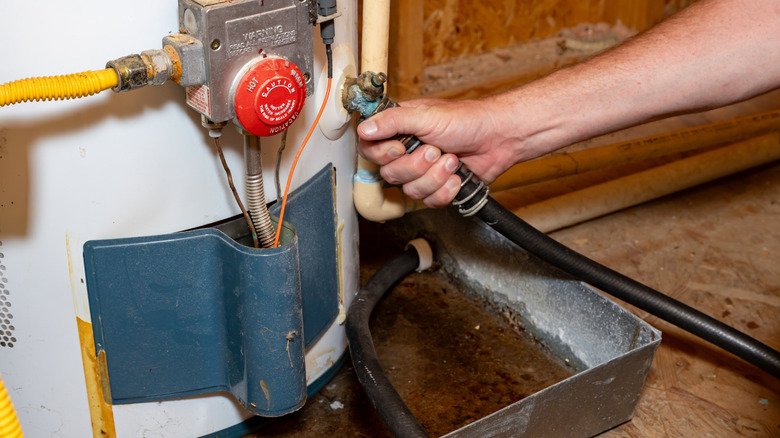
Did you know your water heater could last 15+ years with proper care? Unfortunately, many homeowners unknowingly shorten their water heater lifespan by making simple yet costly mistakes. Over time, these errors lead to reduced efficiency, unexpected breakdowns, and expensive replacements.
In this article, we’ll explore the most common water heater mistakes and provide practical solutions to help you maximize the longevity of your unit. Avoiding these pitfalls will not only extend your water heater’s lifespan but also improve its efficiency and save you money in the long run.
Common Water Heater Mistakes That Lead to Early Failure
1. Neglecting Regular Flushing
Why it’s a problem: Over time, sediment from minerals in the water accumulates at the bottom of the tank. This buildup reduces heating efficiency, causes the unit to overheat, and ultimately leads to failure.
Solution: Flush your water heater at least once a year to remove sediment. If you live in an area with hard water, consider flushing it every six months to prevent excessive mineral buildup.
2. Setting the Temperature Too High or Too Low
Why it’s a problem:
- Too high (above 130°F): Increases wear on heating elements, leads to scalding risks, and raises energy costs.
- Too low (below 120°F): Encourages bacterial growth, including Legionella, which poses serious health risks.
Solution: Maintain a safe and efficient temperature setting of 120°F to balance safety, efficiency, and longevity.
3. Ignoring the Anode Rod Until It’s Too Late (For Tank Water Heaters)
Why it’s a problem: The anode rod is designed to prevent rust inside the tank by attracting corrosive elements. Once it deteriorates, your tank becomes vulnerable to rust and leaks.
Solution: Check the anode rod every 3–5 years and replace it when it’s significantly corroded to protect your water heater’s lifespan.
4. Forgetting to Test the Temperature and Pressure (T&P) Relief Valve
Why it’s a problem: The T&P relief valve is a critical safety component that prevents excessive pressure buildup. If it fails, the tank could rupture or explode.
Solution: Test the T&P valve annually by lifting its lever. If water does not flow out or keeps leaking, replace the valve immediately.
5. Skipping Pipe Insulation in Cold Weather
Why it’s a problem: Exposed pipes in cold climates can freeze and burst, causing severe damage to the water heater and plumbing system.
Solution: Insulate both hot and cold water pipes to prevent freezing, reduce heat loss, and improve energy efficiency.
6. Overloading the Water Heater Beyond Its Capacity
Why it’s a problem: If you have a small water heater but a high-demand household, it will struggle to keep up, leading to constant overheating and premature failure.
Solution: Choose a water heater with a capacity that meets your home’s hot water needs. Upgrading to a larger tank or a tankless water heater may be a better long-term investment.
7. Not Draining the Tank When Leaving for Extended Periods
Why it’s a problem: When left unused for months, standing water inside the water heater can lead to corrosion and bacterial growth.
Solution: If you’re leaving home for an extended period, turn off the heater and drain the tank to prevent damage and contamination.
8. Using Hard Water Without a Softener
Why it’s a problem: Hard water leads to mineral buildup inside both tank and tankless water heaters, reducing efficiency and clogging pipes.
Solution: Install a water softener to reduce mineral content in the water, or regularly use vinegar to descale a tankless water heater.
9. DIY Repairs Without Proper Knowledge
Why it’s a problem: Water heaters involve electrical and gas components that require expertise to handle safely. A DIY mistake could lead to serious damage or even pose a safety hazard.
Solution: Call a licensed plumber or technician for complex repairs to ensure your water heater operates safely and efficiently.
How to Extend the Life of Your Water Heater
To maximize your water heater lifespan, follow these essential maintenance tips:
- Flush the tank annually to remove sediment buildup.
- Check and replace the anode rod every 3–5 years.
- Keep the temperature at 120°F to prevent overheating and bacterial growth.
- Test the T&P valve annually to ensure it functions properly.
- Insulate pipes and the tank to improve efficiency.
- Schedule professional inspections every 1–2 years to catch potential issues early.
By following these simple steps, you can significantly extend the life of your water heater and avoid costly repairs or premature replacements.
When to Consider Replacing Your Water Heater
Even with excellent water heater maintenance, no unit lasts forever. Here are some clear signs that indicate it’s time to replace your water heater:
- Rusty or discolored water: Indicates internal corrosion.
- Leaks around the base: Suggests a failing tank.
- Loud popping or rumbling noises: Caused by excessive sediment buildup.
- Inconsistent water temperature: If your water heater struggles to provide hot water, it may be failing.
If your water heater is 10–15+ years old, consider upgrading to a new, energy-efficient model to avoid unexpected breakdowns and high energy bills.
Many homeowners make simple water heater mistakes that lead to early failure, but with proper care, you can extend its lifespan and improve efficiency. By avoiding these common pitfalls and staying on top of water heater maintenance, you’ll enjoy reliable hot water while saving money on energy and repair costs.
Take action today! Check your water heater, flush the tank, inspect the anode rod, and set the right temperature—your future self (and wallet) will thank you. Need professional assistance? Contact a licensed plumber to keep your water heater running at peak performance for years to come!
