

Key Takeaways
- A criminal conviction results in immediate consequences along with wide-ranging, long-term collateral effects in daily life.
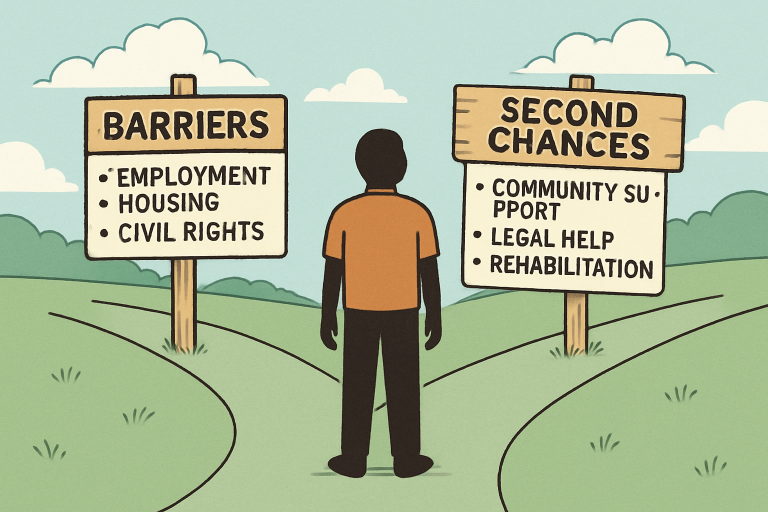
- Access to employment, housing, and civil rights is often restricted after conviction, but legal remedies, such as expungement, are available in eligible cases.
- Community support and advocacy are critical for meaningful reintegration and second chances.
- Seeking legal assistance is essential to understanding your options and moving forward successfully.
Table of Contents
- Immediate Consequences of a Conviction
- Collateral Consequences: Beyond the Courtroom
- Pathways to Rehabilitation and Record Clearing
- Community Support and Second Chances
- Legal Assistance and Advocacy
- Conclusion
Immediate Consequences of a Conviction
The aftermath of a criminal conviction is often swift and challenging. Individuals may face incarceration, heavy fines, probation, or community service, depending on the type and severity of their offense as well as state-specific sentencing laws. For example, California’s sentencing guidelines range from supervised community service for minor infractions to multi-year prison terms for more serious crimes. These penalties take effect almost immediately and often leave individuals and their families scrambling to adjust to new and difficult realities.
The impact is not limited to the legal penalties imposed by a judge. A conviction triggers a chain of changes and restrictions that alter everyday life. Finding reliable guidance during this period is crucial. Attorney offices such as Martinlawfirmpc can offer experienced support to help individuals navigate their immediate situation and begin planning their next steps.
Collateral Consequences: Beyond the Courtroom
Long after court-imposed penalties have ended, the indirect effects of a conviction persist for years. These collateral consequences tend to affect a person’s finances, family relationships, and sense of security in subtle yet impactful ways:
- Employment Challenges: Most employers run background checks when screening job applicants. A criminal record, even for a minor offense, can hinder job opportunities. Efforts like the “Ban the Box” movement have emerged to address this, eliminating the requirement to disclose criminal history on initial job applications. Nevertheless, systemic barriers continue to limit access to meaningful employment, with many individuals repeatedly turned away despite efforts to rehabilitate and reintegrate.
- Housing Difficulties: Safe and stable housing is often elusive for those with a criminal record. Many landlords use background checks to screen tenants, making it challenging to secure a lease. The result is frequently housing insecurity or even homelessness, compounding the stress that people face as they attempt to rebuild their lives.
- Loss of Civil Rights: Depending on the offense and the state, a conviction can result in the loss of the right to vote, to possess firearms, to serve on a jury, or to hold various professional licenses. Some states automatically restore these rights upon completion of a sentence, while others require legal action to regain them.
For additional information about employment and housing challenges faced by former inmates, see this New York Times article discussing the ongoing punishment of criminal convictions long after sentencing ends.
Pathways to Rehabilitation and Record Clearing
Although the road after conviction is demanding, legal mechanisms and reforms exist to help individuals move forward:
- Expungement: a process that allows certain convictions to be sealed or removed from public view. Eligibility and procedures differ from state to state. Successful expungement can improve access to jobs and housing, offering a real chance at a clean slate.
- Certificates of Rehabilitation: Some jurisdictions offer certificates for individuals who demonstrate meaningful change and rehabilitation. These documents can restore some civil rights and serve as proof of reform to employers or licensing boards.
- Pardons: A gubernatorial or presidential pardon can officially forgive a conviction, even if it does not erase the record. Notably, some states, such as Pennsylvania, now provide online portals for more accessible pardon applications. This streamlining is an important step toward providing more equitable second chances for those who have paid their debt to society. For more details, refer to this Associated Press article about Pennsylvania’s online pardon application system.
Community Support and Second Chances
Many people with criminal records find crucial assistance in their local communities. Nationwide, organizations and advocates are working to remove unnecessary barriers to reintegration and promote public awareness. “Second Chance Month,” held each April, highlights both the obstacles facing former offenders and the stories of hope and change. Campaigns during this month encourage employers, landlords, and elected officials to reconsider policies that exclude people with conviction histories. For more insight, see the Wikipedia entry on Second Chance Month.
Community-based support and second-chance programs help lessen recidivism and bring about lasting societal benefits. These include job training, housing assistance, and peer mentoring, all aimed at empowering affected people to reclaim their independence and dignity.
Legal Assistance and Advocacy
Professional legal counsel is pivotal for those looking to clear their records or regain lost rights. Attorneys can offer strategic advice about eligibility for expungement, handle complicated paperwork, and represent clients at hearings. In addition to one-on-one guidance, advocacy organizations drive policy changes that make it easier for those with criminal records to make a meaningful return to society. For example, reform initiatives seek to simplify expungement, expand eligibility, and eliminate unnecessary civil restrictions that hinder progress.
Conclusion
While a criminal conviction brings sudden and often severe consequences, it does not have to define the rest of a person’s life. Through legal action, community support, and determined personal effort, it is possible to face the future with hope. When society recognizes the value of rehabilitation and implements fair pathways to redemption, everyone benefits, making communities stronger, safer, and more inclusive.
