
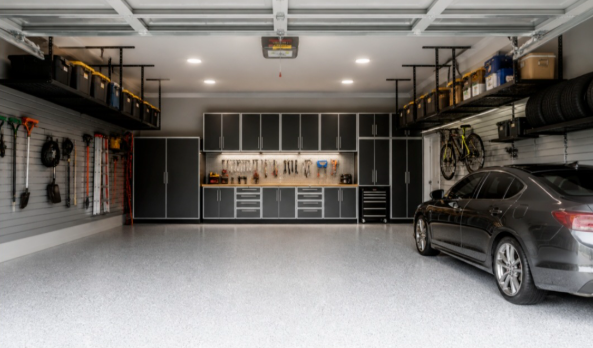
Designing a functional and efficient garage is no longer just about adding extra square footage to a property. Today’s homeowners expect garages to serve multiple purposes—storage, workspace, hobby area, or even a home extension. The challenge lies in achieving this versatility without significantly increasing expenses. This is where a skilled garage builder becomes essential, especially when trying to manage overall garage construction cost effectively while still maximizing usable space.
Optimizing space is not simply about making a garage bigger; in many cases, it’s about making smarter design decisions within the same footprint. This involves careful planning, understanding trade-offs, and making strategic choices about layout, materials, and functionality. By focusing on efficiency rather than expansion, homeowners can achieve better outcomes without unnecessary spending.
Understanding Space Optimization in Garage Design
Space optimization refers to the efficient use of available square footage to meet multiple needs without overcrowding or underutilizing areas. A well-designed garage can feel significantly larger than it actually is when elements such as layout, storage solutions, and vertical space are thoughtfully planned.
One of the most important aspects of efficient design is aligning the structure with the homeowner’s lifestyle. A garage intended solely for parking vehicles requires a very different layout than one designed for tools, storage, or recreational use. Without a clear purpose, even a large structure can feel cramped or inefficient.
This is where planning becomes crucial. A professional approach ensures that every inch of space serves a purpose, reducing the need for costly expansions later.
Strategic Layout Planning
The layout is the foundation of any optimized space. A poorly planned layout can lead to wasted areas, awkward movement, and limited functionality. On the other hand, a well-thought-out plan ensures smooth flow and accessibility.
For example, positioning the garage door, entry points, and storage zones strategically can create more usable space without altering the structure’s size. Placing frequently used items near the entrance and less-used items further inside helps maintain efficiency. Similarly, ensuring adequate clearance for vehicles while maintaining room for movement is a key consideration.
However, there are trade-offs. A layout that prioritizes vehicle space might limit storage capacity, while a storage-heavy design could restrict movement. Balancing these needs requires careful evaluation of priorities.
Leveraging Vertical Space
One of the most effective ways to optimize space without increasing footprint is by utilizing vertical space. Many garages have unused wall and ceiling areas that can be transformed into valuable storage zones.
Installing wall-mounted shelves, overhead racks, or pegboards allows homeowners to free up floor space while keeping items organized and accessible. High ceilings, in particular, offer opportunities for loft storage or suspended systems.
The challenge here is accessibility. While vertical storage maximizes space, it may not always be convenient for frequently used items. Additionally, structural considerations must be taken into account to ensure safety when adding overhead storage.
Despite these limitations, vertical expansion remains one of the most cost-effective strategies for improving functionality.
Multi-Functional Design Elements
Modern garages are increasingly designed as multi-purpose spaces. Incorporating flexible design elements can significantly enhance usability without requiring additional square footage.
For instance, foldable workbenches, modular storage units, and movable partitions allow the space to adapt to different needs. A garage can function as a workshop during the day and revert to a parking area at night with minimal effort.
This approach, however, involves trade-offs between convenience and durability. Multi-functional elements often require higher-quality materials or mechanisms to withstand repeated use. While they may reduce the need for expansion, they can slightly increase upfront expenses.
Even so, the long-term benefits of flexibility often outweigh the initial investment.
Efficient Storage Solutions
Clutter is one of the biggest obstacles to space optimization. Without proper storage systems, even a well-designed garage can quickly become disorganized.
Custom storage solutions tailored to the homeowner’s needs can make a significant difference. Built-in cabinets, labeled bins, and designated zones for specific items help maintain order and improve usability.
The key challenge is finding the right balance between customization and cost. Highly customized storage systems can be expensive, while generic solutions may not fully meet the user’s needs. A practical approach is to combine standard systems with selective customization where it adds the most value.
Smart Use of Natural Light and Open Design
Lighting plays a crucial role in how spacious a garage feels. Natural light, in particular, can make a space appear larger and more inviting.
Adding windows, skylights, or glass-paneled doors can improve visibility and reduce the need for artificial lighting during the day. This not only enhances the user experience but can also contribute to energy efficiency.
However, incorporating natural light comes with trade-offs. Windows may reduce wall space available for storage, and additional openings can impact insulation and security. These factors must be carefully considered during the design phase.
An open design approach, with minimal obstructions and clear sightlines, further enhances the perception of space. Avoiding unnecessary partitions helps maintain flexibility and adaptability.
Material Selection and Construction Efficiency
The choice of materials can influence both the functionality and cost-effectiveness of a garage. Durable, low-maintenance materials reduce long-term expenses while ensuring the structure remains efficient over time.
For example, using lightweight yet strong materials can simplify construction and reduce labor requirements. Pre-engineered components, such as prefabricated panels, can also speed up the building process and minimize waste.
The trade-off here is between upfront cost and long-term value. Higher-quality materials may require a larger initial investment but often result in lower maintenance and replacement costs.
Balancing these factors is essential to achieving an optimized outcome without overspending.
Incorporating Technology and Smart Features
Technology is increasingly playing a role in space optimization. Smart storage systems, automated doors, and integrated lighting solutions can improve efficiency and convenience.
For instance, motorized storage racks can make it easier to access items stored overhead, while sensor-based lighting ensures energy is used only when needed. These features enhance usability without requiring additional space.
However, technology comes with its own set of challenges. Installation costs, maintenance requirements, and potential technical issues must be considered. Not all homeowners may find these features necessary, so it’s important to evaluate their practical benefits.
Addressing Common Challenges
Optimizing space without increasing expenses is not without its challenges. One of the most common issues is underestimating future needs. A garage designed solely for current requirements may quickly become inadequate as needs evolve.
Another challenge is balancing aesthetics with functionality. While a visually appealing design is important, it should not come at the expense of practicality. Overly decorative elements can reduce usable space or increase costs unnecessarily.
Additionally, local regulations and building codes can impact design choices. Restrictions on size, height, or placement may limit certain optimization strategies. Understanding these constraints early in the process helps avoid costly adjustments later.
The Importance of Long-Term Impact
When making decisions about garage design, it is important to consider the long-term impact. Choices that seem cost-effective initially may lead to higher expenses over time if they compromise durability or functionality.
For example, opting for cheaper materials or minimal storage solutions might reduce upfront costs but could result in frequent repairs or the need for additional upgrades. Similarly, neglecting flexibility can make the space less adaptable to changing needs.
A well-optimized garage should not only meet current requirements but also provide value in the future. This includes enhancing property appeal, improving usability, and minimizing maintenance.
Balancing Trade-Offs for Optimal Results
Every decision in garage design involves trade-offs. Maximizing storage may reduce open space, while prioritizing flexibility might increase initial costs. The key is to find a balance that aligns with the homeowner’s priorities and budget.
Working with experienced professionals helps navigate these trade-offs effectively. They can provide insights into what works best within a given space and suggest solutions that deliver maximum value.
Ultimately, the goal is not to eliminate trade-offs but to manage them in a way that achieves the best overall outcome.
Wrapping Up
Optimizing garage space without increasing expenses requires a thoughtful and strategic approach. It involves more than just efficient design—it requires a deep understanding of how different elements interact and impact functionality.
By focusing on layout planning, vertical utilization, multi-functional design, and smart material choices, homeowners can significantly improve the usability of their garages without expanding their footprint. At the same time, being aware of trade-offs and challenges ensures that decisions are both practical and sustainable.
A well-designed garage is an investment that goes beyond immediate convenience. It enhances daily living, supports evolving needs, and contributes to long-term property value. With the right approach, it is entirely possible to achieve these benefits without exceeding budget constraints.
