
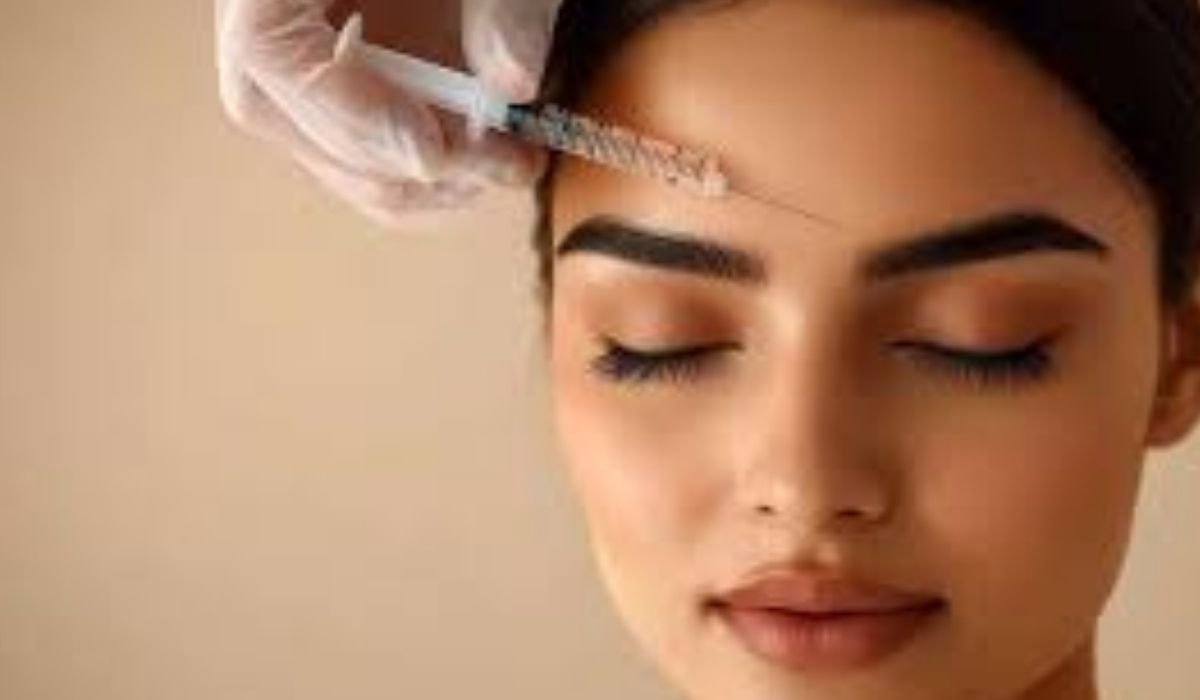
Botox has long been synonymous with wrinkle reduction, but recent shifts in both technology and societal attitudes are changing its role in aging. Once considered mainly a solution for those already showing visible signs of aging, it is now a popular choice among younger adults seeking to delay those first lines from appearing at all.
For those considering their first injection, partnering with a trusted Botox clinic in Salt Lake City is critical to achieving safe, satisfying results. Wellness-minded individuals increasingly want options that fit into a broader self-care philosophy, extending the benefits of Botox to well-being and confidence, not just appearance.
This evolution in how Botox is used reflects a holistic view of aging, where prevention, subtle enhancement, and overall quality of life come to the forefront. Widespread accessibility and new techniques have made this treatment approachable to a wider range of demographics than ever before.
Botox’s Growing Popularity Among Younger Generations
Historically, Botox was associated with individuals aged 35 and older who wished to soften existing wrinkles. However, a surge in popularity among millennials and even Gen Z is redefining this narrative. Today’s younger adults are using Botox as a preventive measure, aiming to maintain youthful, smooth skin before the deeper folds and creases of age can firmly set in. This shift is partially influenced by social media and a new openness about aesthetic treatments, fueling the normalization of preventative procedures.
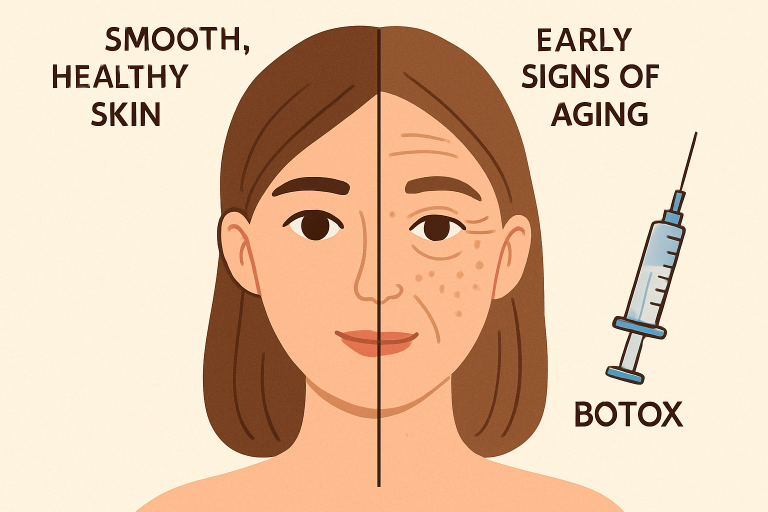
Many see preventative Botox as part of a larger arsenal of skin health practices that include sunscreen, retinoids, and professional skincare. The idea is to slow, if not halt, the clock on visible aging rather than erase it later.
Innovations in Botox Treatments
New advancements in both Botox’s formulation and its delivery are making treatments more appealing, effective, and natural-looking. One breakthrough is the availability of faster-acting options. Whereas traditional Botox might take up to a week to show results, new formulations can smooth lines in as little as 24 hours. This accelerated onset is particularly attractive for patients hoping for rapid improvement before big events.
Microdosing, also known as “Baby Botox,” has also gained momentum. This gentle approach uses much smaller doses of Botox to achieve subtle results, making it an excellent option for younger patients or those wary of appearing “frozen.” Microdosing helps preserve facial expressiveness while providing a refreshed, natural look, allowing people to maintain their individual character and warmth.
Expanding Applications Beyond Wrinkle Reduction
While Botox’s anti-aging benefits are well known, its use goes far beyond aesthetics. Medical professionals now use Botox to address a wide range of therapeutic needs. Chronic migraines, for instance, can be mitigated by strategically injecting Botox into the scalp and neck, offering relief for sufferers who may have tried other pharmacological solutions without success. Additionally, Botox is FDA-approved for treating severe underarm sweating (hyperhidrosis)—a life-changing procedure for many.
Emerging research even points to potential benefits in treating depression and other neurological conditions, highlighting Botox’s impressive versatility.
Understanding the Risks and Considerations
Despite its many benefits, Botox is not without risks. Overuse or improper injection can result in muscle weakness or create an expressionless appearance, often referred to as the “frozen face” effect. Additionally, adverse reactions, such as droopy eyelids or uneven results, can occur when the procedure is not performed carefully.
Choosing a qualified specialist is essential, especially as the popularity of DIY and bargain treatments rises. Patients are advised to communicate their goals clearly, start with conservative doses, and ensure follow-up care.
The Cultural Shift Towards Preventive Aesthetics
The surge in Botox usage among younger people underscores a broader shift in societal values. Preventative aesthetics embody a proactive philosophy—caring for oneself before issues arise, rather than fixing problems as they appear. This mirrors changes in other areas of health and wellness, such as nutrition and fitness, where prevention and maintenance are emphasized over treatment.
Additionally, open conversations about cosmetic enhancements have helped to reduce stigma. Millennials and Gen Z are more likely to discuss treatments with friends or on social media, building communities of support and education around their choices. These evolving attitudes place Botox and similar procedures squarely within the modern self-care toolkit.
Conclusion
Botox is transforming the way society approaches aging, moving from an emergency corrective to an integral part of proactive, preventive self-care. Driven by new technologies, innovative techniques, and broader acceptance, it serves both aesthetic and therapeutic needs for a diverse, wellness-focused clientele.
As with any procedure, prioritizing education and working with trusted professionals will help ensure optimal, natural-looking results, making Botox not just a trend but a foundational tool in modern aging strategies.
