
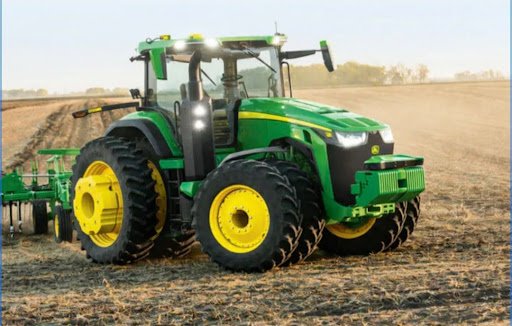
A John Deere tractor isn’t just a tool. It’s your go-to helper for daily farming, landscaping and property maintenance. The weather’s all over the place. Work hours are super long. Machines wear out fast, no doubt. You want your tractor running all year, no annoying breakdowns? Regular maintenance is a must. Let’s chat about easy stuff to keep your machine in good shape.
Why Regular Maintenance Matters
Especially in the American Midwest, the conditions are really tough on equipment. Every season throws a different curveball at your John Deere tractor. These tough conditions make the engine, hydraulics, and tires wear out way faster.
Take winter, for example. The cold thickens up the engine oil and hydraulic fluid. The engine struggles to start, and the battery’s working overtime. Then spring and fall—everything’s wet and muddy.Muck and moisture rust out the chassis and undercarriage. That gunk clogs the radiator fins too, so the machine overheats quickly when you’re working it hard. Summer’s all about dust and chaff. They clog the air filter in no time, starving the engine of clean air. Power drops, fuel efficiency tanks.
Stick to regular maintenance, though—you’ll skip all these seasonal headaches. Your machine’ll be good to go whenever you need it.
Essential Maintenance Tips for John Deere Tractor
Nail these basic checks, and your tractor’ll stay in solid shape. Your machine lasts longer, and it’s way safer and more reliable to run.
Use Reliable Parts for Lasting Repairs
Sure, it’s so easy to go for the cheaper generic parts. But parts made to fit your machine are the best. No more headaches with parts that don’t fit right, and the repair will last. Want the right part? You need your tractor’s exact model and serial number. Find that little metal PIN plate on your machine. It’s usually on the frame—near the right front wheel or under the seat.
Once you have this number, John Deere parts lookup becomes simple and reliable. Type in your model number, and the parts lists and diagrams will match your tractor spot-on. Order the right stuff the first time.
Stay on Top of Oil & Filters
Oil lubricates moving parts, cools the engine, and flushes out gunk. Heat and use break it down over time, so it can’t protect the engine as it should. Follow the oil change schedule in your manual. And always swap out the oil filter when you change the oil. A new filter catches dirt, metal bits, and sludge way better.
Whether it’s mowing, plowing, or hauling goods, tractors will pick up a lot of dust, pollen, and debris. The air filter is the engine’s first line of defense, specifically designed to keep this dirt out of the engine. If the filter is blocked, the fuel consumption will naturally go up. Pay more attention to check, especially in dusty working conditions, so you can find problems early. Replace it if it’s dirty. Don’t forget the fuel filter either—it keeps water and gunk out of the sensitive injection system parts.
Check Blades, Belts & Tires
These parts are always moving and under stress.
- Mower Blades: Dull blades tear grass, not slice it. Ragged cuts stress the grass, make it sick, and turn it brown. Check blades for nicks, bends, or dullness. Sharpen or replace them. Your lawn looks better, and it eases the strain on the engine and deck belt.
- Belts: Belts power everything—the mower deck, the alternator, all of it. A worn belt can die suddenly and stop your work cold. Check ’em often for cracks, fraying, shiny spots, or stiffness. If a belt feels loose, adjust the tension. Swap it out before it breaks, saves you a huge headache.
- Tires: Proper tire pressure means good traction, stability, and fuel efficiency. Too soft, and they handle badly and wear out fast. Too hard, and traction drops, ride gets bumpy. Check the pressure every time you use the tractor. Look for cuts, cracks, or stuff stuck in the tread and sidewalls.
Keep It Clean & Store It Right
Caked-on grass, mud, and gunk trap moisture on metal—rust spreads fast. It also piles up on the engine and transmission, making them run hot. Clean the mower deck (top and bottom) really well. Clear debris from the radiator screen and cooling fins, too.
How you stash your tractor matters. Park it somewhere dry—garage or shed if you can. Keeps it safe from rain, snow, and sun. UV rays from the sun? They’ll ruin belts, hoses, and tires before you know it. Moisture causes electrical issues and rust super quick.No indoor storage? A simple tractor cover works great, too.
Conclusion
Regular maintenance catches problems early. Stops small fixes from turning into big, pricey overhauls. Saves you cash and keeps you from shutting down work. In addition, it makes your tractor last longer. Keeps it running at top efficiency, always. Way fewer unexpected breakdowns, too.
