

Owning a coastal property is a dream for many, offering not only breathtaking ocean views but also a sense of escape and tranquility. However, the journey to securing your first coastal home comes with its own unique challenges and rewards. Whether you crave lively coastal towns or peaceful seaside retreats, aligning with a seasoned local expert such as Laguna Beach real estate agent Clara Blunk can make your search much more effective and enjoyable. By understanding the nuances of this market, you’ll position yourself for a smooth and informed purchase process.
Unlike inland properties, coastal real estate requires navigating a mosaic of regulations, environmental factors, and community dynamics. As you start your search, it’s crucial to assess your priorities: proximity to the water, accessibility, local amenities, and the broader coastal lifestyle. While the rewards of coastal living are immense—stunning natural beauty, investment potential, and a vibrant cultural scene—being aware of potential pitfalls from the outset helps you avoid costly surprises.
Choosing the right location and understanding local ordinances are only the beginning. Environmental concerns, insurance requirements, and budgeting for higher maintenance costs are all part of the comprehensive checklist for coastal buyers. Starting early, tapping into expert resources, and conducting thorough research are the cornerstones of a smart investment along the shoreline.
First-time buyers should also be aware of shifting market trends and the heightened importance of timely and strategic decision-making in popular coastal areas. Consulting reliable sources and working with specialists in the coastal market are essential for an informed purchase.
Choosing the Right Location
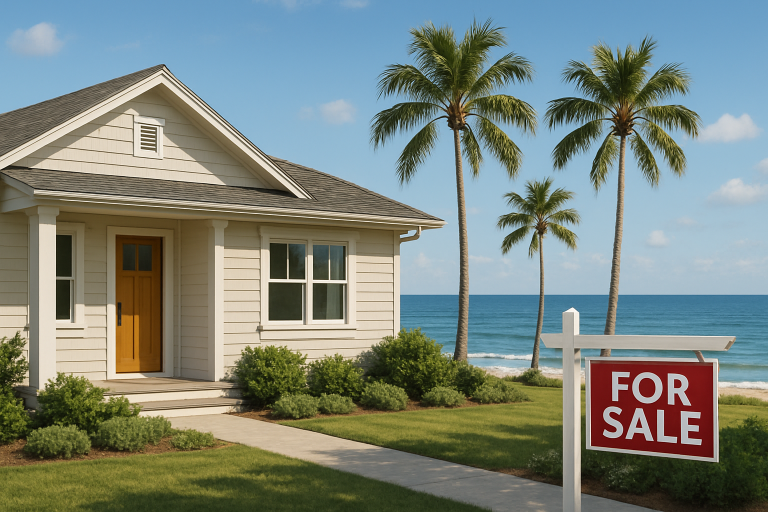
Pinpointing the ideal coastal location is the first major step. Every stretch of coastline offers different advantages, from vibrant boardwalks and dining options to quiet coves and nature reserves. Think about daily needs—access to grocery stores, hospitals, and schools—as well as lifestyle preferences such as proximity to recreational activities or serene, less-traveled beaches.
Understanding Zoning Laws and Regulations
Coastal areas enforce strict zoning ordinances to preserve ecosystems and manage the flow of new developments. These laws may limit the type or scale of structures you can build and restrict how properties are used. Work closely with municipal offices or a knowledgeable local real estate agent, and always review zoning maps and comprehensive plans to avoid future disputes or fines.
Assessing Environmental Risks
Weather and natural elements pose greater risks to coastal properties than to most inland homes. Rising sea levels, hurricanes, flooding, and erosion can create financial and safety concerns. It’s wise to consult environmental experts and use resources like FEMA’s flood zone maps to assess a property’s vulnerability and identify necessary mitigation measures, such as elevating structures or improving drainage.
Budgeting for Purchase and Maintenance
Higher upfront purchase prices are only part of the equation. Coastal homes experience greater wear from salt air, moisture, and storms, which increase regular maintenance and repair costs. Don’t overlook additional expenses such as flood insurance premiums, HOA fees, and possibly hurricane-proofing measures. It’s wise to build a robust, flexible budget to prepare for these realities and preserve your peace of mind.
Exploring Financing Options
Obtaining a loan for a beachfront property is often more challenging than for typical homes. Many lenders see them as riskier investments and may impose stricter requirements or demand larger down payments. Explore banks and mortgage companies with specific expertise or loan products tailored to coastal and vacation homes. Seek pre-approval before house-hunting to strengthen your offer in competitive markets.
Conducting Thorough Inspections
Engage an inspector who specializes in coastal and waterfront homes. They will look for issues such as saltwater corrosion, foundation problems due to shifting sands or tides, and potential mold in damp environments. A detailed inspection protects your investment and can highlight both deal-breakers and negotiable repairs before closing.
Securing Appropriate Insurance
Typical homeowner’s policies often fall short in coastal zones, particularly regarding flood and hurricane coverage. Many buyers must purchase additional policies—or even obtain insurance from specialized providers—to ensure full protection. Carefully compare options, deductibles, and exclusions so natural disasters don’t catch you off guard.
Evaluating the Community
Community plays a major role in your coastal living experience. Beyond amenities, think about year-round population changes, the level of tourism, and the area’s sense of security and camaraderie. Visit both during high season and quieter months to get a full understanding of the atmosphere, as some vibrant towns may become surprisingly deserted off-season.
Considering Investment Potential
Coastal real estate can be a lucrative investment, especially in areas popular with vacationers. Analyze rental demand, seasonal occupancy rates, and past appreciation values. Also, check municipal ordinances for restrictions on short-term rentals, as some communities have strict policies to manage Airbnb-style accommodations and maintain neighborhood character.
Navigating Legal Considerations
Property transactions along the coast often involve complexities such as unclear boundaries, shared access roads, or conservation easements. It’s critical to confirm a clear title, understand any special legal constraints, and enlist a real estate attorney for due diligence. Addressing these issues upfront helps prevent costly disputes or surprises after purchase.
Securing a coastal property can be both a rewarding lifestyle choice and a sound investment when approached with due diligence and expert guidance. Take your time, tap into knowledgeable local specialists, and consult reputable resources to ensure your journey from aspiring buyer to happy coastal homeowner is both smooth and successful.
