
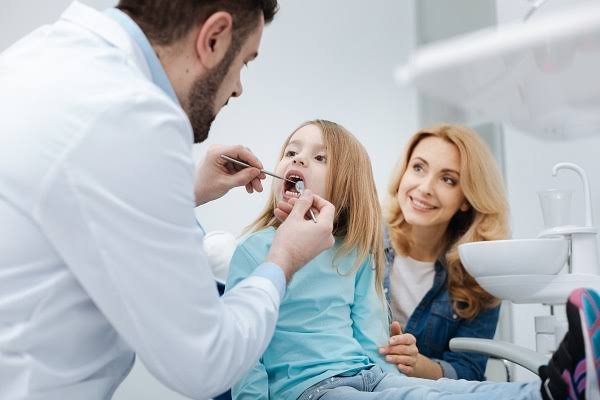
You might be feeling that keeping everyone’s teeth healthy is just one more thing on a very long to do list. Mornings are rushed, evenings are tired, and between school, work, and activities, it can feel almost impossible to stay on top of brushing, flossing, and dental visits when you’re trying to manage dentistry in Euless, TX.
Then one day a child mentions a “little toothache,” or you notice your own gums bleeding when you brush. That is the moment many parents feel a wave of guilt and worry. You care about your family’s health. You just feel pulled in too many directions to be perfect about it.
You are not alone in that tension. The good news is that preventive care does not have to be complicated or time consuming. With a few simple routines, you can cut down the risk of cavities, save money on emergency visits, and give your kids healthy habits that last. This guide walks through four practical preventive dental care tips for busy families, along with a quick comparison of doing things on your own versus getting support from a family dentist.
Why does preventive dental care feel so hard when life is already full?
On paper, preventive dental care sounds simple. Brush, floss, see the dentist. In real life, it looks very different. A child is melting down at bedtime. You are answering one last work email. Another child has already fallen asleep on the couch with a snack in hand. Teeth can easily slip to the bottom of the priority list.
The problem is that teeth do not wait. Cavities can start small and painless, then turn into big, expensive problems. A filling that could have cost a small amount can turn into a root canal or an extraction. That means more time off work, more school missed, and more stress for everyone.
Because of this, you might start to feel stuck between two bad options. Either you push everyone harder and feel like the “toothbrush police,” or you back off and worry about what might be happening in your children’s mouths. Both feel exhausting.
So where does that leave you? It helps to zoom out and look at what preventive dental care really needs to achieve for a busy family. It does not have to be perfect. It has to be consistent enough to keep problems small and rare. The four tips below are designed with that reality in mind.
Tip 1: How can quick daily routines actually protect your family’s teeth?
Think of daily care as tiny investments that protect you from big dental bills and big worries later. You do not need twenty minutes in front of the mirror. You need a realistic routine that your family can stick with most of the time.
For children, the basics are clear. Brush twice a day with fluoride toothpaste, and have an adult help until they have the hand skills to do it well on their own. The CDC’s oral health tips for children explain that this simple step is one of the strongest protections against cavities.
For adults, it is similar. Brush twice daily, floss once, and try not to snack on sugary or sticky foods all day. Even if you miss a flossing session here and there, aiming for “good most days” is still very powerful.
To make this work with a busy schedule, connect brushing to routines that already exist. For example, teeth after breakfast and teeth right before stories at night. You do not have to fight your family’s habits. You can attach dental care to them.
Tip 2: What about diet, snacks, and drinks that sneak in sugar?
Many families feel surprised when a dentist says their child has cavities, especially if they do not eat candy all day. The hidden challenge is not only how much sugar they eat. It is how often their teeth are exposed to it.
Frequent sipping on juice, sports drinks, or sweetened milk, even in small amounts, keeps teeth under acid attack for hours. Sticky snacks like fruit snacks or granola bars can cling to teeth long after the snack is gone.
So what can you do when your schedule already relies on grab and go snacks? A few small shifts help. Offer water as the default drink between meals. Keep sweet drinks for mealtimes. Choose snacks like cheese, nuts, plain yogurt, or crisp fruits and vegetables more often than sticky or sugary ones.
You do not have to remove every treat. You just want to reduce the number of “sugar hits” teeth get throughout the day. That alone can dramatically lower the risk of cavities and make your family’s preventive dental care much more effective.
Tip 3: How do professional cleanings and checkups fit into a busy life?
Even with good home care, some things simply need professional attention. Plaque hardens into tartar. Tiny cavities or early gum issues can be missed until they hurt. This is where regular visits to a preventive family dental care provider make a real difference.
Checkups every six months are a common standard, but some people can go a bit longer and some need to be seen more often. During these visits, your dentist or hygienist can clean away buildup, check for early signs of problems, and guide you on what to focus on at home. Over time, this support can save you thousands of dollars and countless hours that emergencies would have taken.
To make scheduling easier, try to book the next visit before you leave the office. Put it in your calendar like any other important appointment. If your family sees the same family dental care team, you can often cluster visits on the same day, which cuts down on extra trips.
Tip 4: How can you turn kids into partners in their own dental health?
When children feel forced, brushing can turn into a power struggle. When they feel involved, it becomes more natural. Even small things like letting them choose their toothbrush color or a favorite song to brush along with can shift the mood.
Stories and simple explanations help too. Children’s resources from the National Institute of Dental and Craniofacial Research for kids can make teeth feel interesting instead of scary. You can talk about “sugar bugs” or “superhero teeth” if that fits your child’s personality.
Older children and teens may respond better to straight talk. They might care about fresh breath, avoiding painful procedures, or keeping a great smile. Respecting their growing independence while still setting expectations can create a better balance.
DIY at home vs support from a family dentist: what is the difference?
You might wonder how much you can safely handle on your own and when it is worth getting professional care. The comparison below can help you think it through.
| Aspect | DIY Home Care Only | Home Care plus Family Dentist Support |
|---|---|---|
| Daily brushing and flossing | Essential, but technique may not be ideal. Problems can be missed. | Guided by professional tips. Technique improves over time. |
| Detecting cavities and gum issues | Often noticed only when there is pain or visible damage. | Found early during checkups. Treatment is usually simpler and cheaper. |
| Cost over several years | Lower upfront. Higher risk of emergency visits and major treatment. | Regular small costs. Fewer surprises and major procedures on average. |
| Stress level for parents | Ongoing worry about what might be missed. | Shared responsibility with a trusted professional. More peace of mind. |
| Children’s experience | May only see a dentist when there is pain, which feels scary. | Get used to calm, routine visits. Dental care feels normal, not frightening. |
If you are still unsure about the basics of brushing, flossing, or mouth rinses, resources on oral hygiene from NIDCR explain them clearly in everyday language.
Three simple steps you can start this week
1. Create one “non‑negotiable” brushing moment each day
Choose the time of day that is easiest for your family, morning or night, and commit to everyone brushing well at that time. Even if the second daily brushing sometimes slips, protecting that one moment builds a strong baseline of preventive care.
2. Pick one snack or drink habit to improve
Look at your family’s typical day and choose a single change. For example, replace afternoon juice with water, or swap a sticky snack for cheese and fruit. Focus on that one shift for a few weeks. Once it feels normal, you can decide if you want to add another.
3. Schedule the next round of dental checkups
If it has been more than six months since anyone saw a dentist, choose a day to call and book visits for the whole family. Treat it like scheduling school physicals or important work meetings. Putting it on the calendar removes the mental load of “remembering to remember.”
Bringing it all together so your family can breathe a little easier
Preventive care for busy families is not about perfection. It is about small, steady steps that fit the life you actually live. A realistic brushing routine, a few smart food choices, and regular support from a trusted family dentist can keep most problems small or stop them before they start.
You do not have to fix everything overnight. Choose one idea that feels doable this week and start there. Each small change you make today protects your family’s smiles and eases tomorrow’s worries.
