
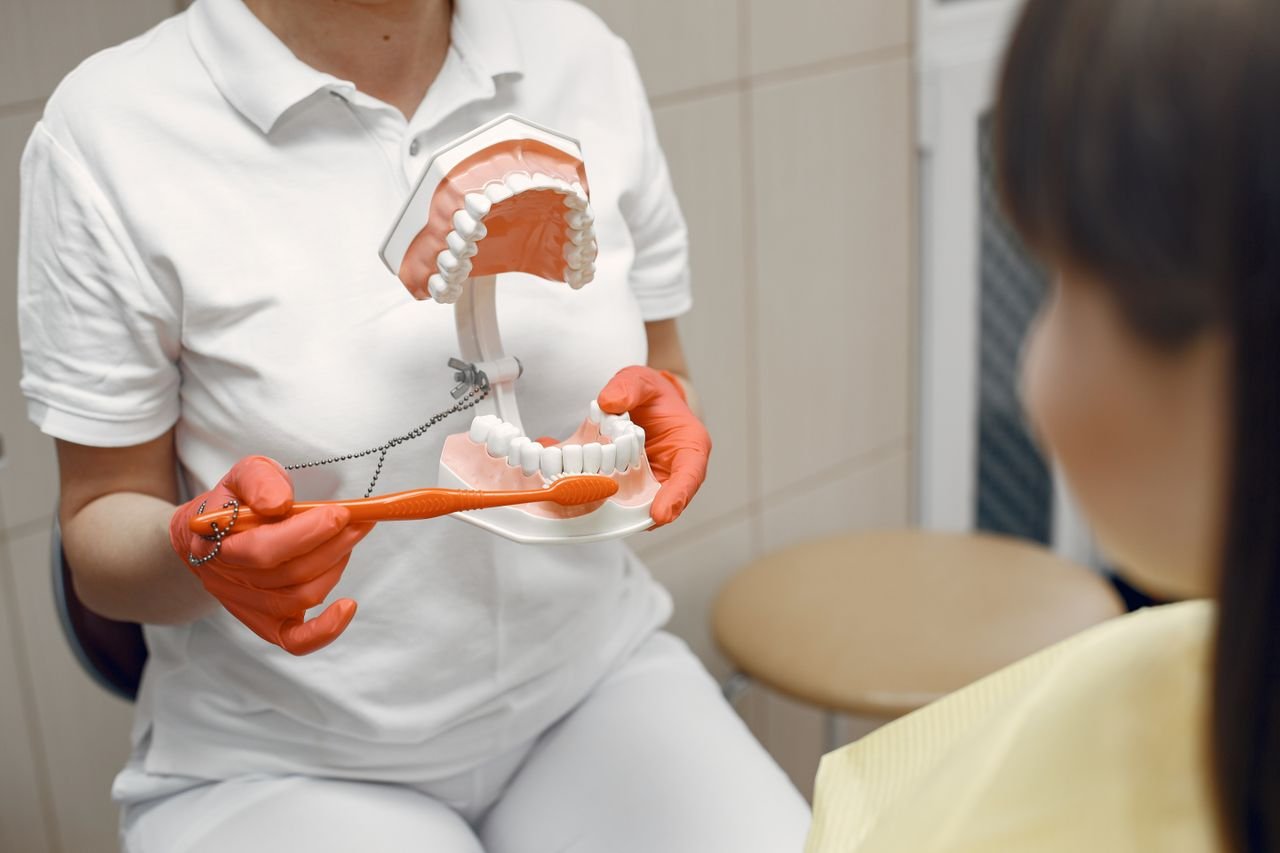
You brush, you rinse, and you try to do the right thing. Then you sit in the dental chair, hear the scraping, feel the polishing, and wonder why your teeth never feel quite like this at home. If that sounds familiar, you are not missing something obvious, and you are not doing a bad job. The difference usually comes down to tools, technique, and the kinds of buildup that brushing simply cannot remove on its own. In simple terms, professional teeth cleaning from a dentist in Scarsdale reaches places and problems your toothbrush cannot fully handle, even when your routine is solid.
That can feel a little frustrating, especially if you spend time brushing twice a day and still leave a dental visit thinking, “So this is what clean really feels like?” Because of that gap, you might wonder whether home care matters enough, or whether cleanings are only for people with serious dental problems. The truth sits somewhere in the middle. Daily brushing and flossing protect your mouth every day, while a visit with a general dentist removes hardened buildup and checks for signs of trouble before they grow.
What makes a dental cleaning feel so much cleaner than brushing?
The short answer is that brushing removes soft plaque, but a dental cleaning also removes tartar, sometimes called calculus, which forms when plaque hardens on the teeth. Once that happens, no toothbrush can scrub it away safely at home. A general dentist or hygienist uses special tools to lift that buildup from the gumline and between teeth, which is why your mouth often feels smoother afterward.
There is also the matter of reach. At home, even careful brushers tend to miss the back molars, the gumline, or tight spaces between teeth. During a cleaning, those areas get focused attention. The polish at the end also smooths the tooth surface, which can make it harder for plaque to stick right away. That slick, glassy feeling is part of why why teeth feel cleaner after the dentist is such a common question.
And there is one more piece people often overlook. A dental cleaning is not just cleaning. It usually comes with an exam, which can help spot cavities, gum irritation, and other issues early. If you want a clear overview of what happens during a visit, MedlinePlus explains the basics of a dental exam in a simple, helpful way.
Why is brushing at home still not enough on its own?
This is where a lot of people feel torn. You know brushing matters, but if a dental visit does so much more, what is the point of daily care? The point is that home care slows the buildup before it becomes a larger problem. Without it, plaque collects faster, tartar forms more easily, and gum irritation can start quietly.
What if you brush well but skip flossing? What if you brush twice a day but rush through it? What if your gums bleed a little and you avoid those spots because they feel tender? Those small patterns can lead to plaque staying along the gumline, which raises the risk of gum disease over time. The CDC offers a clear overview of gum and periodontal disease, including why early signs are easy to miss.
So, where does that leave you? Usually with a simple answer. Home care and office care do different jobs. Brushing and flossing reduce daily buildup. A routine dental cleaning removes what has hardened and gives your dentist a chance to catch changes early. One does not replace the other.
How do home brushing and a general dentist cleaning compare?
Sometimes the easiest way to make sense of this is to see the difference side by side. The table below shows what each approach is designed to do.
| Home Brushing and Flossing | Professional Cleaning at a General Dentist |
| Removes most soft plaque from daily eating and drinking | Removes plaque and hardened tartar that home tools cannot remove |
| Helps freshen breath and lower cavity risk between visits | Polishes teeth for a smoother feel and may remove some surface stains |
| Depends on your technique, timing, and consistency | Uses trained technique and specialized instruments |
| Can miss tight spaces, back teeth, and buildup under the gumline | Targets hard to reach areas and checks gum health closely |
| Should be done every day | Done on a schedule based on your needs and oral health history |
| Does not replace an exam | Often includes an exam to look for cavities, gum problems, and other concerns |
If you want to strengthen your daily routine, the National Institute of Dental and Craniofacial Research shares practical tips on oral hygiene, including brushing and flossing habits that help between appointments.
What can you do right now if you want that just cleaned feeling more often?
1. Slow down your brushing. Many people brush for less time than they think. Aim for two full minutes, and pay close attention to the gumline and back teeth. If you tend to scrub hard, ease up. Gentle, thorough brushing usually works better than force.
2. Clean between your teeth every day. Floss, picks, or other tools can help remove plaque where the brush cannot reach. If your gums bleed at first, that may be a sign of inflammation rather than a reason to stop. If bleeding continues, it is worth asking a general dentist about it.
3. Keep regular cleanings on the calendar. This is the step that ties everything together. If you wait until something hurts, you may miss the quiet stage when plaque, tartar, or gum changes are easier to manage. Preventive visits often feel simpler, faster, and less stressful than waiting for a problem to grow.
So what is the real takeaway about brushing versus dental cleanings?
If dental cleanings feel different from brushing at home, that is because they are different. They are meant to do more. Your toothbrush handles the day to day work. A professional cleaning handles the buildup that stays behind and gives you a clearer picture of your oral health. That does not mean your home routine is failing. It means your routine and your dental visits are working together the way they should.
If you have been wondering whether your brushing habits are enough, or why your teeth never feel quite the same after home care, it may be time to schedule a visit with a general dentist and get personalized guidance for your routine.
READ ALSO: The Role Of Education In Family Dental Wellness Programs
