
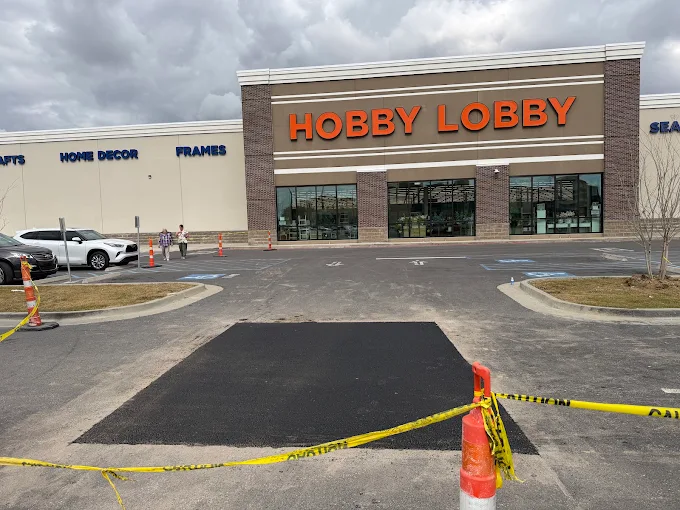
A paving estimate can raise as many questions as it answers. Does a cracked parking lot need replacement, or would targeted repairs be enough? Why does one contractor recommend an overlay while another proposes excavation? How will customers reach the building during construction?
For Houston property owners, the best answers connect pavement condition, drainage, traffic, and construction methods. Understanding those connections makes it easier to compare proposals and avoid paying for a treatment that does not address the actual problem. These questions provide a starting point for planning paving work.
What Should a Houston Paving Contractor Evaluate First?
An assessment should begin with how the property functions, not simply how many square feet need new asphalt. Passenger parking, delivery lanes, dumpster approaches, and loading areas experience different demands. Share the types of vehicles using the site and point out places where turning, stopping, or repeated loading occurs.
The inspection should also consider cracking patterns, settlement, previous patches, pavement edges, and drainage. Photographs taken after rain can reveal recurring ponding that disappears before an estimator visits. Historical repair records help identify locations where the same problem keeps returning.
When researching Pelagic Paving, property owners can review its published asphalt repair, paving, and maintenance services before discussing their site. The important question is which service matches the observed conditions. Ask the contractor to explain the likely cause of damage and identify any uncertainty that requires further investigation.
A visual inspection is useful, but concealed conditions may require testing or become clear only after removal.
How Do You Know Whether to Repair, Resurface, or Replace?
Localized damage may be suitable for a targeted repair when surrounding pavement remains serviceable. The work might involve removing failed asphalt, correcting affected supporting material, and installing a compacted patch. Its depth should reflect the problem rather than an arbitrary standard applied everywhere.
An asphalt overlay adds a new layer over an existing pavement. It can be appropriate when the existing structure is suitable, but isolated failures need attention beforehand. Milling may be necessary to preserve elevations near curbs, entrances, and drainage features.
Replacement becomes a consideration when deterioration is widespread, or the existing pavement structure cannot adequately support its intended use. That decision deserves an explanation supported by observed conditions, especially when a less extensive option has also been proposed.
Sealcoating belongs in a different category. It is a surface maintenance treatment, not a way to restore structural capacity. A fresh black appearance should not be mistaken for a repair to sinking pavement, broken asphalt, or unstable underlying material.
Why Does Drainage Matter So Much in a Paving Proposal?
Pavement needs both adequate support and a workable path for runoff. Water that remains in depressions or enters damaged areas can contribute to deterioration. If a contractor repairs the visible surface without addressing a recurring water problem, the same location may continue to fail.
Ask how the proposed work affects surface elevations and existing drainage routes. Adding an overlay changes height, which matters around building thresholds, curb lines, and drain inlets. The contractor should explain how those transitions will function after construction.
Property owners should describe where water collects, how long it remains, and whether the pattern changes during heavier rainfall. Those observations give the contractor context without requiring the owner to diagnose the cause.
Not every drainage concern can be solved by placing asphalt. Some conditions may require separate drainage work or design assistance. Clarify what the paving proposal includes, what it excludes, and who will address any related work.
What Should Be Included in a Written Paving Estimate?
A useful estimate defines the repair areas and describes the construction method clearly enough to compare competing proposals. Look for quantities, removal limits, preparation requirements, materials, and proposed pavement thickness. Confirm whether asphalt thickness refers to the compacted installation rather than loose material before rolling.
The estimate should also explain how unsuitable underlying conditions will be handled if discovered. Ask whether additional excavation requires written approval and how added work will be priced. Otherwise, two apparently similar bids may carry very different assumptions.
For owners discussing a project with Pelagic Paving, a marked site plan can help connect each proposed service to a specific location. Request clarification about disposal, transitions, striping, cleanup, and any work assigned to others.
Payment terms, anticipated scheduling, and any written warranty should also be understood before approval. Ask what a warranty covers and excludes rather than assuming it guarantees every aspect of future pavement performance.
Can a Business Stay Open, and When Can Traffic Return?
Some projects can proceed in phases, allowing portions of a property to remain accessible while other sections are closed. Feasibility depends on the layout, available entrances, equipment access, and the work itself. A narrow driveway may offer fewer options than a parking lot with multiple connections.
Discuss customer parking, deliveries, employee access, and waste collection before setting the schedule. Temporary routes should be communicated, and pedestrian movement needs attention alongside vehicle circulation. Ask who is responsible for barriers and daily coordination.
Reopening is a separate decision from finishing placement. Asphalt must cool sufficiently for the intended traffic, while concrete repairs need adequate strength. Sealcoating and pavement markings have their own drying or curing requirements.
Weather can also change the sequence. Rain, surface moisture, temperature, and wind may affect particular operations. Request reopening instructions for each treated area rather than relying on a universal promise that everything will be ready the next morning.
What Maintenance Should Follow the Completed Project?
Start with the contractor’s instructions for the installed materials and repairs. Keep the scope, photographs, and any warranty documents together so future inspections can account for what was actually done.
Check periodically for new cracks, standing water, edge damage, and recurring trouble near repaired sections. Report developing issues early. Maintenance should respond to pavement condition and use, rather than an automatic schedule of surface treatments.
Record changes in traffic too. A property that begins receiving heavier deliveries may face demands its original parking areas were not intended to carry.
Choose a Contractor Who Can Explain the Work
Hiring a Houston paving contractor becomes easier when the conversation moves beyond price and appearance. A sound proposal connects observed damage to an appropriate repair, explains drainage and preparation, and establishes workable access arrangements. Ask questions until the scope is clear. That understanding gives property owners a stronger basis for comparing bids, coordinating construction, and maintaining the finished pavement.
READ ALSO: Transform Your Garden Paths with Bluestone Pavers in Melbourne
