

Table of Contents
- Start With the Business Need, Not the Building
- Study the Location Beyond the Street Address
- Confirm Zoning, Permits, and Legal Use
- Inspect the Building and the Site
- Calculate the Full Cost of Occupancy or Ownership
- Review Income and Market Evidence for Investment Property
- Read the Agreement Line by Line
- Use a Simple Property Comparison Scorecard
- When It May Be Time to Walk Away
- Common Questions
- Make the Decision With Evidence
A polished lobby, attractive storefront, or low asking price can make a commercial property feel like an obvious choice. In Richardson and the wider Dallas-Fort Worth area, however, a space that looks promising during a short tour can still create long-term problems with access, permitted use, repair costs, parking, or lease obligations.
Local perspective can be useful when comparing sites. Richardson real estate team G+A Real Estate is the commercial real estate presence of Gharbieh & Associates, a Richardson-based firm serving the DFW Metroplex with commercial sales, leasing, acquisitions, tenant representation, and property management across office, retail, industrial, and land properties. That experience can help business owners and investors frame the right questions before committing to a location.
Start With the Business Need, Not the Building
Before touring properties, define what the business must be able to do every day. A restaurant, medical office, warehouse, retailer, professional office, and service company can all require very different layouts and site features. Separate essential requirements from preferences so an attractive but impractical property does not move to the top of the list.
- Required square footage, ceiling height, layout, and storage.
- Customer parking, employee parking, loading access, and delivery routes.
- Visibility, signage opportunities, and access from major roads.
- Power, plumbing, ventilation, internet, security, and specialized equipment needs.
- Expected staffing, customer volume, and growth over the next three to five years.
Low rent does not make a space affordable if employees cannot reach it conveniently, customers cannot park, or the layout limits operations. In a spread-out metro area such as DFW, commute patterns and drive times can influence staffing, deliveries, and customer behavior as much as the address itself.
Study the Location Beyond the Street Address
Visit each finalist property more than once. Check conditions on a weekday morning, near lunch, and late afternoon. Observe traffic flow, driveway access, turning movements, congestion, nearby highway connections, storefront visibility, and how easily a visitor can find the entrance. A quiet weekend showing may not reveal how the site functions during a busy business day.
Also, look at the surrounding uses. Nearby housing, offices, schools, suppliers, complementary retailers, and competing businesses can affect demand and convenience. Ask about planned roadwork, new construction, access changes, and major nearby development. These factors may influence both daily operations and long-term resale or sublease appeal.
Confirm Zoning, Permits, and Legal Use
Never assume that a prior tenant’s activity means your proposed use is approved. Confirm zoning, occupancy limits, parking requirements, signage rules, accessibility requirements, and whether a change of use will trigger permits or upgrades. Request information about open code violations, unapproved alterations, or unfinished permits before signing anything.
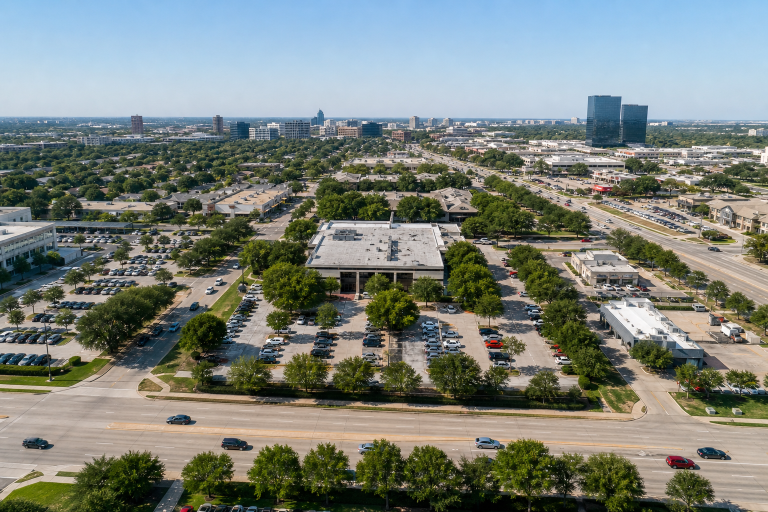
Many municipalities urge prospective tenants and buyers to speak with planning and permitting staff early. For example, the City of Port Orchard provides commercial property due diligence guidance that emphasizes verifying whether a business is allowed in a specific building and identifying code or accessibility issues before a lease or purchase. The same practical approach applies in Richardson: obtain local confirmation for the intended use rather than relying on assumptions.
Inspect the Building and the Site
A walk-through is useful, but it is not a substitute for a qualified inspection. The scope should match the property and transaction. Older buildings, industrial facilities, properties with prior industrial uses, and sites with extensive improvements may need more specialized review.
- Roof, foundation, exterior walls, windows, drainage, and pavement.
- HVAC, plumbing, electrical capacity, fire protection, elevators, and security systems.
- Parking areas, driveways, loading zones, fences, lighting, and stormwater features.
- Environmental history and potential contamination concerns.
- Deferred maintenance, replacement needs, and likely capital improvements.
Use appropriate professionals, such as inspectors, engineers, environmental consultants, or contractors, when their expertise is warranted. Their findings can support negotiations, help set a realistic budget, or reveal a reason to walk away.
Calculate the Full Cost of Occupancy or Ownership
Base rent or purchase price is only one part of the financial decision. Build three-year and five-year estimates using assumptions you can explain and revisit. For a lease, include common-area maintenance charges, taxes, insurance, utilities, repairs, janitorial service, annual rent increases, build-out costs, moving expenses, technology, and any required deposits or guarantees.
For a purchase, include debt service, taxes, insurance, expected repairs, reserves for capital improvements, inspection costs, appraisal fees, legal review, title work, survey costs, and closing expenses. A lower advertised rent can become more expensive than another option once pass-through expenses, improvement obligations, and renewal increases are included.
Review Income and Market Evidence for Investment Property
Investors should examine more than projected rent. Review the rent roll, current leases, expiration dates, renewal options, concessions, delinquencies, tenant concentration, and comparable properties. Estimate vacancy, leasing commissions, management expenses, repairs, and future capital needs. A building heavily dependent on one tenant may carry greater risk if that tenant leaves.
For an owner-user, leasing versus buying depends on available cash, financing capacity, flexibility, control, maintenance responsibilities, and the property’s role in the broader business plan. Model both choices using realistic operating assumptions rather than choosing solely on the purchase price.
Read the Agreement Line by Line
Commercial leases and purchase contracts can shift substantial costs and responsibilities between the parties. Review the document carefully with appropriate legal and financial advisors before deadlines expire. Useful public examples of commercial transaction topics appear in the Oklahoma Real Estate Commission’s commercial purchase and sale contract guidance, including due diligence, financial disclosures, environmental factors, and closing requirements.
- Lease term, renewal options, expansion rights, termination rights, and rent increases.
- Operating-expense calculations, repair duties, insurance requirements, and indemnity provisions.
- Assignment, subleasing, defaults, personal guarantees, signage rights, and use restrictions.
- For purchases, due diligence periods, financing contingencies, title, survey, inspection, environmental review, and closing conditions.
Use a Simple Property Comparison Scorecard
Compare properties with the same criteria instead of relying on memory after several tours. Assign each property a one-to-five score and add written notes explaining the rating.
- Location, access, visibility, and parking.
- Legal use, zoning, permits, and signage potential.
- Building condition and anticipated repairs.
- Total occupancy or ownership cost.
- Customer, employee, vendor, and delivery convenience.
- Flexibility for growth, subleasing, resale, or future exit.
When It May Be Time to Walk Away
Be cautious when the intended use is not clearly allowed, inspections identify major unresolved issues, projected numbers depend on unrealistic assumptions, or the agreement places broad and unclear repair obligations on one party. Other warning signs include unresolved title, survey, environmental, or permit problems; inadequate capacity for expected growth; and a landlord or seller unwilling to provide reasonable records or review time.
Common Questions
What should be checked first?
Start with the intended use, location, zoning, access, and total cost. These early checks can prevent wasted spending on design work or inspections for a property that cannot support the business.
Is a commercial inspection necessary?
Professional inspections can identify structural, mechanical, roof, drainage, environmental, and code-related concerns that may not be apparent during a tour.
What matters more, location or price?
The answer depends on the business model. Retail may depend heavily on access and visibility, while industrial users may prioritize loading, truck routes, power, and highway proximity.
Make the Decision With Evidence
A commercial property decision should rest on verified facts, not an attractive asking price or a quick tour. By reviewing business needs, Richardson-area location factors, legal use, building condition, full costs, market evidence, and contract terms, tenants and buyers can select a property that works now and remains useful as plans change.
