
Key Takeaways
- Precision welding is essential for producing high-quality, durable products across various industries.
- Innovations such as robotic laser welding and friction stir welding have significantly improved manufacturing efficiency and product quality.
- Companies like Elite Weld and Fab exemplify the importance of expertise and innovation in precision welding.
Table of Contents
- The Importance of Precision Welding in Manufacturing
- Advancements in Welding Technologies
- Robotic Laser Welding: A Game Changer
- Friction Stir Welding: Joining Without Melting
- Cold Metal Transfer (CMT) Welding: Reducing Heat and Spatter
- The Role of Expert Welders in Modern Manufacturing
- Elite Weld and Fab: A Leader in Precision Welding
- Conclusion
The Importance of Precision Welding in Manufacturing
Precision welding is the backbone of modern manufacturing, ensuring that products meet stringent quality and durability standards. In the automotive and aerospace industries, the ability to create strong, reliable welds is essential for safety and performance. Different sectors, such as shipbuilding, medical device fabrication, electronics, and construction, depend on high-precision welds to assemble components that endure rigorous use and harsh environments. In critical applications such as structural frameworks or aircraft fuselages, even the smallest imperfection in a weld could cause catastrophic failure. Hence, the standards for quality assurance are extremely strict, necessitating the use of expertly controlled welding processes by a welding expert.
Furthermore, precision welding allows for the joining of dissimilar metals and thin materials, expanding the possibilities for design innovation and improved product functionality. It also supports the development of lightweight products, which are especially important in the aerospace and automotive sectors, where weight reduction directly translates into improved energy efficiency and cost savings.
Advancements in Welding Technologies
Recent years have seen significant advancements in welding technologies, leading to improved efficiency and product quality. Innovations such as robotic laser welding and friction stir welding have revolutionized the manufacturing landscape. Modern welding technologies often incorporate digital controls, real-time monitoring, and sophisticated feedback systems to ensure consistency and precision. By integrating artificial intelligence and machine learning algorithms, welding equipment can now adapt parameters on the fly to compensate for minor material variations or environmental conditions, ensuring optimal results. The development of high-speed cameras and non-destructive testing methods, such as ultrasonic inspection and X-ray imaging, further enhances manufacturers’ ability to identify weld defects during production. By detecting issues immediately, manufacturers can reduce costly rework and minimize scrap rates, improving overall productivity and sustainability.
Robotic Laser Welding: A Game Changer
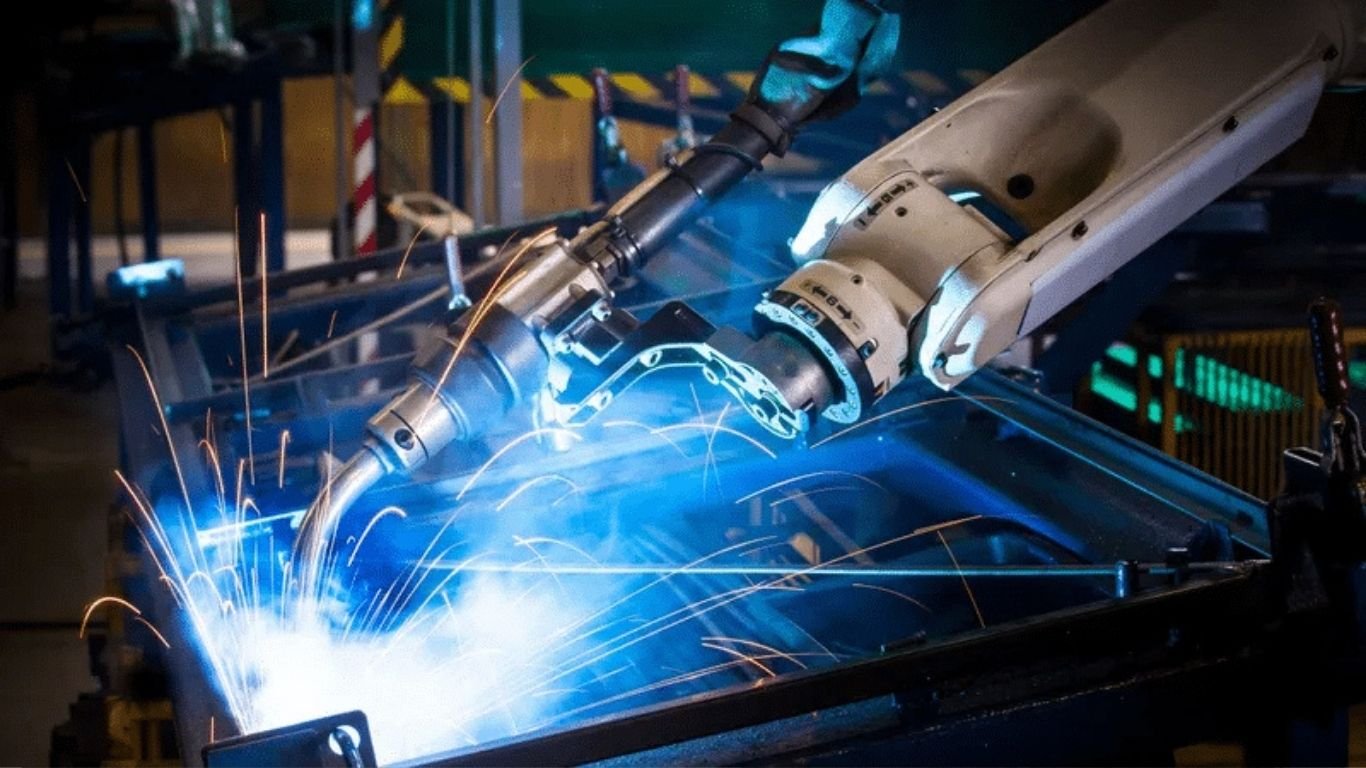
Robotic laser welding has transformed manufacturing by increasing productivity and reducing labor costs. For instance, a California machine shop quadrupled its output by switching from manual TIG welding to robotic laser welding, eliminating skilled-labor bottlenecks and post-weld processing requirements.
This technology combines the precision of laser beams with the repeatability of robotic arms, enabling the creation of intricate, high-strength joints across a variety of materials and geometries. Additionally, laser welding produces minimal distortion and heat-affected zones, which is particularly advantageous for sensitive or thin components. Robotic systems can be programmed to execute complex weld paths at high speed, enabling 24/7 operation and freeing up human operators for more critical quality assurance roles. The flexibility of robotic laser welding also allows manufacturers to rapidly switch between products with minimal downtime, making it ideal for both high-volume production and custom fabrication.
Friction Stir Welding: Joining Without Melting
Friction stir welding (FSW) is an innovative technique that joins materials without melting them, resulting in stronger and more reliable welds. A breakthrough at the Pacific Northwest National Laboratory has made FSW more accessible for assembly lines, potentially transforming manufacturing processes.
FSW works by using a specialized rotating tool to stir the material along the joint interface, generating heat through friction and mechanical mixing. This solid-state joining process produces welds with superior mechanical properties and reduces the risk of defects such as porosity and cracking associated with traditional fusion welding.
FSW is especially valuable for joining dissimilar materials, such as aluminum to steel, and for use on heat-sensitive components where excessive thermal input could cause deformation or damage. Many industries, including automotive, aerospace, and railway manufacturing, are increasingly adopting FSW to improve product integrity and extend service life.
Cold Metal Transfer (CMT) Welding: Reducing Heat and Spatter
The Cold Metal Transfer (CMT) welding process reduces heat input and spatter, making it ideal for joining thin or mixed materials with precision. This technique is transforming global manufacturing by offering cleaner, stronger welds. CMT technology uses a controlled dip transfer process, in which the welding wire retracts during droplet formation, minimizing energy input and significantly reducing spatter. This results in a cleaner weld bead, reduced post-weld cleanup, and lower gas and wire consumption. CMT is especially useful for fabricating aluminum structures, electrical enclosures, and lightweight frames. Its ability to produce aesthetically pleasing, distortion-free welds makes it popular in industries demanding both functional and visual excellence.
The Role of Expert Welders in Modern Manufacturing
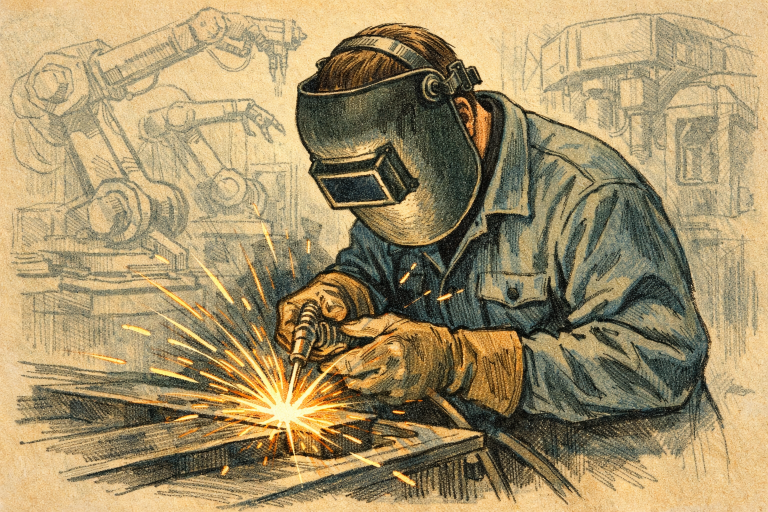
Despite technological advancements, the expertise of skilled welders remains invaluable. Their ability to interpret complex designs and ensure quality control is crucial for the success of manufacturing projects. Expert welders are essential in custom and prototype fabrication, where manual dexterity and experience are required to achieve precise results that robotic systems may not easily attain. These professionals often oversee automated processes, set up programs, and troubleshoot issues that arise, ensuring that output meets exacting standards. Moreover, skilled welders bring a keen eye for detail to inspection and quality assurance processes, identifying subtle imperfections or deviations that could affect product longevity or safety. Continuous training and certification keep expert welders at the forefront of the industry, able to adapt to new technologies while maintaining traditional craftsmanship.
Elite Weld and Fab: A Leader in Precision Welding
Companies like Elite Weld and Fab exemplify the importance of expertise and innovation in precision welding. As a leading welding expert, Elite Weld and Fab offers a range of services, including custom fabrication and on-site welding, serving clients across various industries. Their commitment to quality and precision has established them as an authority in the field.
Elite Weld and Fab’s team routinely tackles complex industrial projects requiring a blend of advanced welding technology and human ingenuity. By staying up to date with the latest welding methods, including robotic and CMT processes, they ensure their solutions meet the highest standards of performance and reliability. Their portfolio includes structural steel projects, high-purity stainless steel piping, and intricate aluminum components for specialized machinery. Additionally, Elite Weld and Fab dedicates considerable resources to ongoing staff training and state-of-the-art equipment upgrades. Their focus on continuous improvement ensures that they remain competitive and responsive to the evolving demands of customers in diverse markets such as automotive, food processing, and energy.
Conclusion
Precision welding is a cornerstone of modern manufacturing, with technological advancements enhancing efficiency and product quality. However, the role of expert welders remains critical, as demonstrated by industry leaders like Elite Weld and Fab. As manufacturing continues to evolve, the combination of innovative technologies and skilled professionals will drive the industry forward.
The future of precision welding holds even more promise, with trends pointing toward greater integration of smart manufacturing systems, further automation, and environmentally friendly practices. As industries worldwide strive for higher performance and sustainability, the importance of precision welding, backed by expertise and cutting-edge technology, will only continue to grow, influencing everything from consumer electronics to space exploration.
