
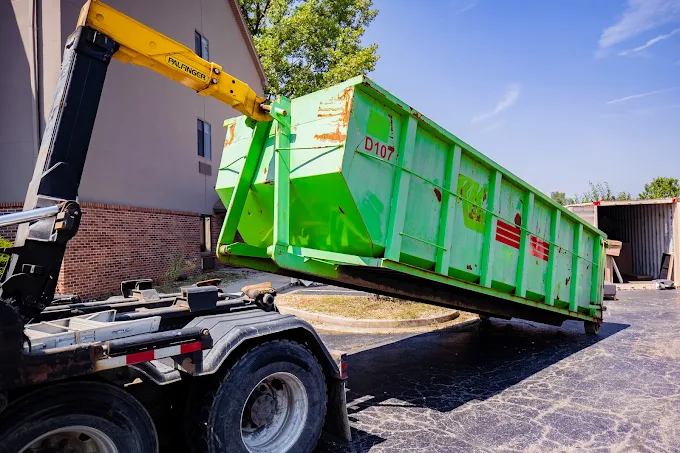
Pack Mule Dumpsters provides roll-off rental services for construction projects, commercial cleanouts, renovations, and property transitions across Southwest Ohio. Serving Dayton, Cincinnati, Springfield, and surrounding communities, the company offers container choices and scheduling discussions for work that extends beyond a single cleanup day.
For contractors and property managers, that service involves more than selecting an empty box. Debris changes as projects progress, access competes with other site activities, and pickup timing needs to fit the work still underway.
Regional Service for Working Properties
Pack Mule’s dumpster rental service covers residential and commercial applications, including tenant turnovers, office cleanouts, remodeling, and new construction. The company describes itself as locally owned, veteran-owned, and family-operated.
Its commercial service information identifies property managers, business owners, contractors, and facility managers among the customers it works with. Projects can involve a single space or larger properties requiring multiple containers.
A rental provides a designated collection point for approved debris while crews carry out their work. That can be useful when a building remains active during cleanup or when several trades share a limited staging area.
The service address, material list, and expected timeline remain essential booking details. Regional coverage does not by itself establish availability for every container on every requested date.
Construction Planning Follows the Build
Pack Mule’s new construction guidance describes service planning around building phases. Framing scraps, drywall offcuts, packaging, and finishing waste may appear at different times and in different quantities.
That approach gives contractors a reason to review disposal needs alongside their work schedule. A container selected for one phase may not be the appropriate choice for the next, particularly when the material mix changes.
The company discusses options for regular pickups, replacement containers, and coordination across multiple job sites. Each service date and exchange requires confirmation based on scheduling and inventory.
For crews, the practical benefit of planning is a clearer process for handling the next load. A full container should trigger an arranged collection or exchange, rather than a growing pile beside the work area.
A short update about remaining work can be more useful than waiting until every available inch has been filled.
Published Options Help Customers Review Costs
Customers can compare dumpster sizes and prices through the company’s website. Its standard lineup includes 14-, 20-, 25-, 30-, and 40-yard options, with separate arrangements for approved clean concrete.
The comparison involves more than cubic yards. Rental duration, included disposal weight, delivery address, and applicable additional charges affect the service selected for a project.
For a contractor preparing a bid, the relevant figure is the quoted arrangement for the expected work. An initial rental, additional hauling, and extra days should be understood before disposal costs are included in the project budget.
Pack Mule also publishes a sizing calculator that accepts approximate pickup loads or measurements of a debris pile. The tool provides a planning estimate, while final pricing and availability require confirmation during booking.
Customers should also distinguish an allowance used for billing from the maximum safe load. Paying an additional weight charge does not permit unsafe loading.
Material Requirements Guide: Container Selection
A property cleanout and a construction project can produce different waste, even when their piles look similar in size. Cabinets and packaging occupy space differently from concrete and other dense materials.
Pack Mule’s dedicated concrete rental is limited to approved clean concrete. Its published instructions exclude dirt, wood, household trash, and mixed debris from that container. Reinforcement and unusual materials require discussion before loading.
For general rentals, the company identifies prohibited items such as paint, chemicals, batteries, propane tanks, and tires. These need appropriate arrangements outside the ordinary dumpster load.
Clear instructions matter when several people use the same container. The approved material list should reach everyone responsible for loading, including workers who arrive after the initial delivery. A quick conversation can prevent the dumpster from becoming the default destination for everything on the property.
Access and Documentation Support the Schedule
Commercial cleanup often happens around deliveries, parked vehicles, tenants, and contractor equipment. The placement plan therefore needs to account for the truck’s approach as well as the space occupied by the container.
Pack Mule’s terms place responsibility for maintaining access on the customer and identify charges when blocked access requires another visit. Keeping the route clear through pickup is part of the rental arrangement.
The company also states that certificates of insurance are available for landlord, property management, and contractor requirements. Discussing documentation early helps avoid leaving an administrative task until equipment is due to arrive.
Loading remains the customer’s responsibility. Assigning a site contact, confirming placement, and communicating schedule changes help coordinate the provider’s work with the people using the container.
Disposal Planning Becomes Part of Project Planning
Pack Mule’s contractor and commercial offerings combine container selection with discussions about materials, service dates, exchanges, and site requirements. For Southwest Ohio property managers and builders, the useful starting point is an accurate project description. Confirming the quote, loading rules, access plan, and collection schedule gives debris removal a defined place in the job, from the first discarded material to the final cleanup.
READ ALSO: How to Choose the Right Dumpster Size for Your Project?
