
Key Takeaways
- Pest activity changes with weather, moisture, food availability, and shelter.
- Small repairs around a home can prevent many insects and rodents from getting inside.
- Spring, summer, fall, and winter each call for a different inspection routine.
- Removing standing water is one of the most practical ways to limit mosquito breeding areas.
- Safer prevention starts with cleanup, moisture control, proper storage, and early identification.
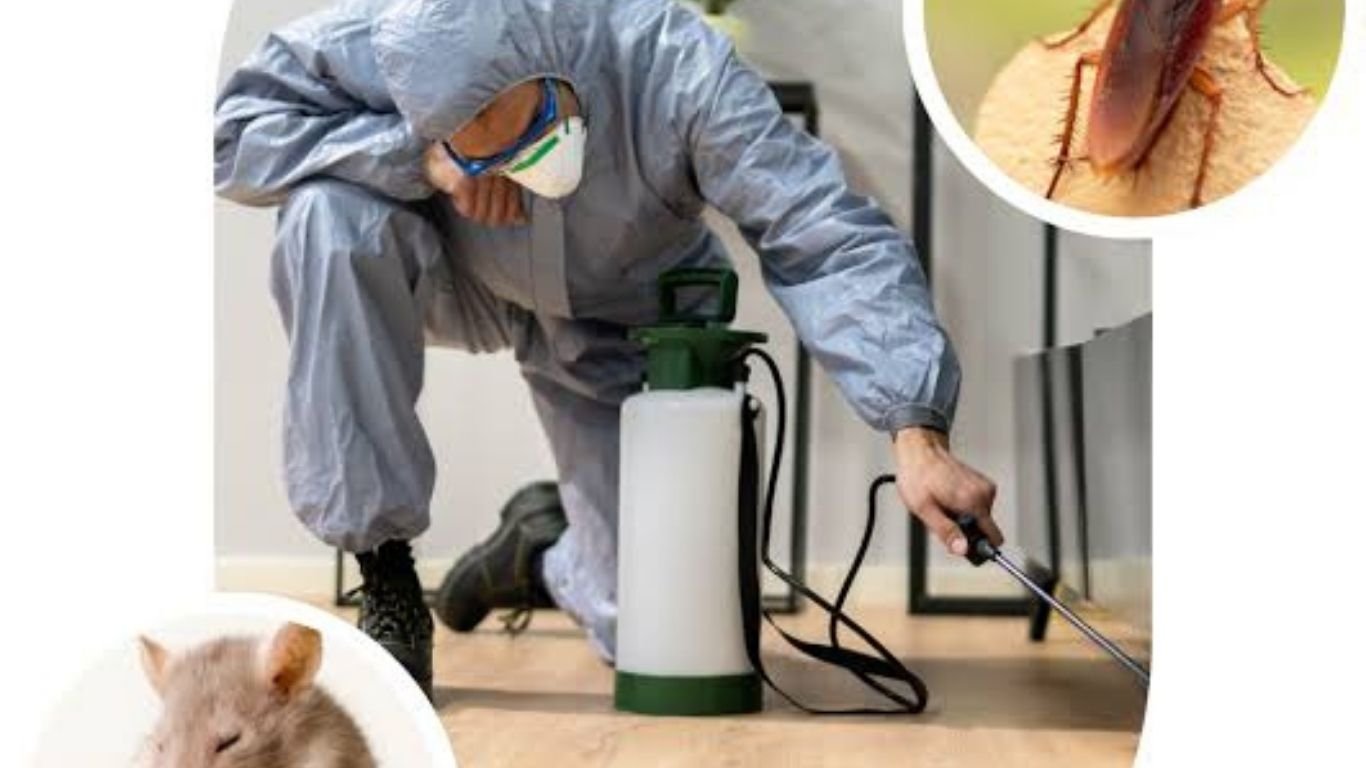
Home pest prevention works best when it becomes part of regular property care rather than a rushed response to an unexpected sighting. A seasonal routine helps homeowners notice small leaks, loose screens, open gaps, and clutter before these conditions become larger issues. For situations that need more than routine maintenance, homeowners may consider eco-friendly pest control treatments in Newton for safe living as part of a broader plan focused on protecting people, pets, and the home itself. The goal is not to eliminate every outdoor insect, but to make the house less inviting to pests looking for food, water, or shelter.
Why Seasonal Pest Prevention Works
Pests respond quickly to their surroundings. Rain can create damp hiding places and standing water. Heat can increase insect activity outdoors. Cooler temperatures can drive rodents and other animals toward attics, garages, wall spaces, and kitchens. Because those pressures change throughout the year, a single annual inspection may miss important warning signs. An inspection-first approach is often the most useful. Instead of treating only the visible bug or animal, look for the underlying condition that allowed it to appear. A trail of ants may lead to a food spill, a moisture problem, or a gap around a pipe. Droppings in a garage may indicate an opening in the foundation or roofline.
Spring: Check For Moisture And Early Activity
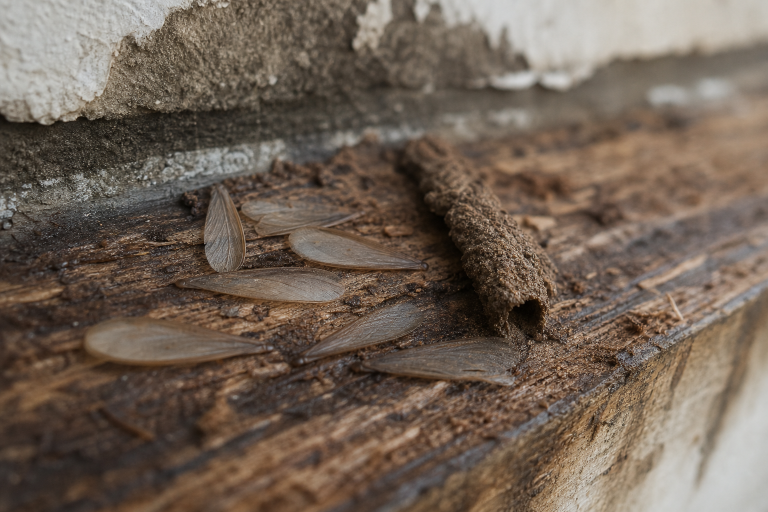
Spring rain and rising temperatures make this a good time to inspect moisture-prone areas. Check basement walls, crawl spaces, roofs, gutters, downspouts, and outdoor faucets for leaks or drainage problems. Water-damaged wood and consistently damp soil near the foundation can attract a range of pests. Look for termite wings, mud tubes, damaged wood, ant trails, and newly built nests. Repair torn window screens and worn door sweeps before flying insects become more active. Trim shrubs, vines, and tree branches away from siding, windows, and rooflines so pests have fewer sheltered routes toward the house. Firewood, lumber, and yard debris should be stored away from the foundation.
Summer: Reduce Water And Outdoor Harborage
Summer pest prevention should focus on water, trash, and outdoor hiding places. Mosquitoes can breed in surprisingly small amounts of standing water, so make it a weekly habit to check buckets, planters, toys, tarps, birdbaths, clogged gutters, wheelbarrows, and unused equipment. Empty, cover, turn over, or clean items that collect water. Keep outdoor trash containers covered, maintain window and door screens, and, when possible, avoid placing bright exterior lights directly beside doors. Practical mosquito prevention guidance also emphasizes removing water sources, using registered repellents as directed, and wearing protective clothing when mosquito activity is high.
Fall: Prepare For Rodents And Indoor Invaders
As nights become cooler, mice, rats, and other animals may seek warm, protected areas indoors. Walk around the exterior and inspect gaps around pipes, vents, doors, windows, utility lines, roof edges, and siding transitions. A small opening can be enough for a rodent to enter. Use durable, suitable materials to close gaps instead of relying on fabric, foam alone, or temporary tape. Indoors, keep pantry foods in sealed containers, wipe crumbs from cabinets and appliances, and avoid leaving pet food out overnight. Check attics, garages, sheds, and storage areas for droppings, nesting material, gnaw marks, or scratching sounds.
Winter: Focus On Indoor Conditions
Even when outdoor sightings decline, pests may remain active indoors. Inspect warm and quiet locations, including basements, utility rooms, attics, closets, and wall-adjacent storage areas. Reduce clutter, especially cardboard, stacked paper, and seldom-used items that create protected hiding spaces. Address condensation around pipes and windows and, when possible, improve airflow in damp areas. Store birdseed, pet food, and dry pantry goods in sturdy containers with secure lids. Continued winter checks can reveal a problem early, before activity spreads into living areas.
A Simple Monthly Home Inspection
- Walk around the exterior and inspect the foundation, siding, roofline, doors, and windows.
- Look for cracks, gaps, water damage, droppings, nests, insect trails, or damaged screens.
- Check kitchens, bathrooms, basements, laundry areas, and storage spaces for moisture and food debris.
- Remove standing water, food waste, fallen fruit, and clutter near the home.
- Record changes and take clear photos of damage or recurring activity.
- Follow up quickly if signs return, spread, or appear in new areas.
How To Make Pest Prevention Safer
Identify the pest before selecting any treatment. Product labels matter, and using more product than directed does not make control safer or more effective. Never mix products unless the label specifically allows it, and keep children and pets away from treated areas. Whenever possible, begin with physical repairs, sanitation, food storage changes, and moisture control. These steps address the conditions pests need to survive. Professional guidance is especially important when an activity may affect health, involve wildlife, create structural damage, or require treatment in inaccessible spaces.
When A Homeowner Should Ask For Help
Repeated sightings may indicate a hidden nest, colony, food source, or entry route. Seek help when there is expanding wood damage, strong odors, large amounts of droppings, unexplained bites, buzzing inside walls, or persistent animal noises in an attic or crawl space. Termites, bed bugs, stinging insects, bats, and rodents can require specialized handling. Ask about inspection methods, treatment locations, follow-up visits, and safety steps before work begins. A clear plan should address both the current activity and the conditions that could allow it to return.
Local Conditions Matter
Pest patterns vary by climate, landscaping, housing age, nearby construction, and access to water. During periods of high mosquito activity, local health departments and municipalities may share timely notices. Checking local mosquito-control updates is one example of how communities can communicate prevention advice, service information, and area-specific activity.
Common Questions About Seasonal Pest Prevention
How Often Should A Home Be Checked?
Perform a quick self-check each month, complete a more thorough inspection at the start of every season, and inspect sooner after storms, renovations, plumbing leaks, or a pest sighting.
Can Cleaning Alone Stop Pest Problems?
Cleaning removes food and some hiding places, but it cannot close structural gaps, repair moisture problems, or eliminate a hidden nest or colony. It works best alongside maintenance and regular inspection.
Are Natural Pest Repellents Always Effective?
Some may temporarily discourage certain pests, but results vary. Repairs, sanitation, moisture control, and targeted solutions are usually more dependable for long-term prevention.
What Is The First Step After Finding Pests?
Identify what you found, inspect the nearby area for food, water, and entry points, remove accessible attractants, and avoid making rushed treatment decisions before understanding the cause.
Conclusion
Seasonal pest prevention is not about constant worry or treating every small sighting as an emergency. It is about steady, practical home care that addresses the conditions pests need to survive. Checking for moisture, sealing gaps around doors and utility lines, protecting food, maintaining screens, clearing yard debris, cleaning gutters, and monitoring changes can reduce many common pest problems before they become difficult to manage. Small repairs and routine inspections are often easier and less disruptive than dealing with an established infestation. Homeowners should also pay attention to recurring droppings, unusual odors, damaged materials, scratching sounds, or repeated sightings in the same areas. When activity continues despite reasonable preventive steps or involves property damage, disease concerns, stinging insects, or wildlife, timely expert guidance can help identify the source, determine an appropriate response, and protect both the home and the people inside it.
